
27 Apr Paris Internship Essentials: Language Skills and Budget Breakdown
Table of Contents
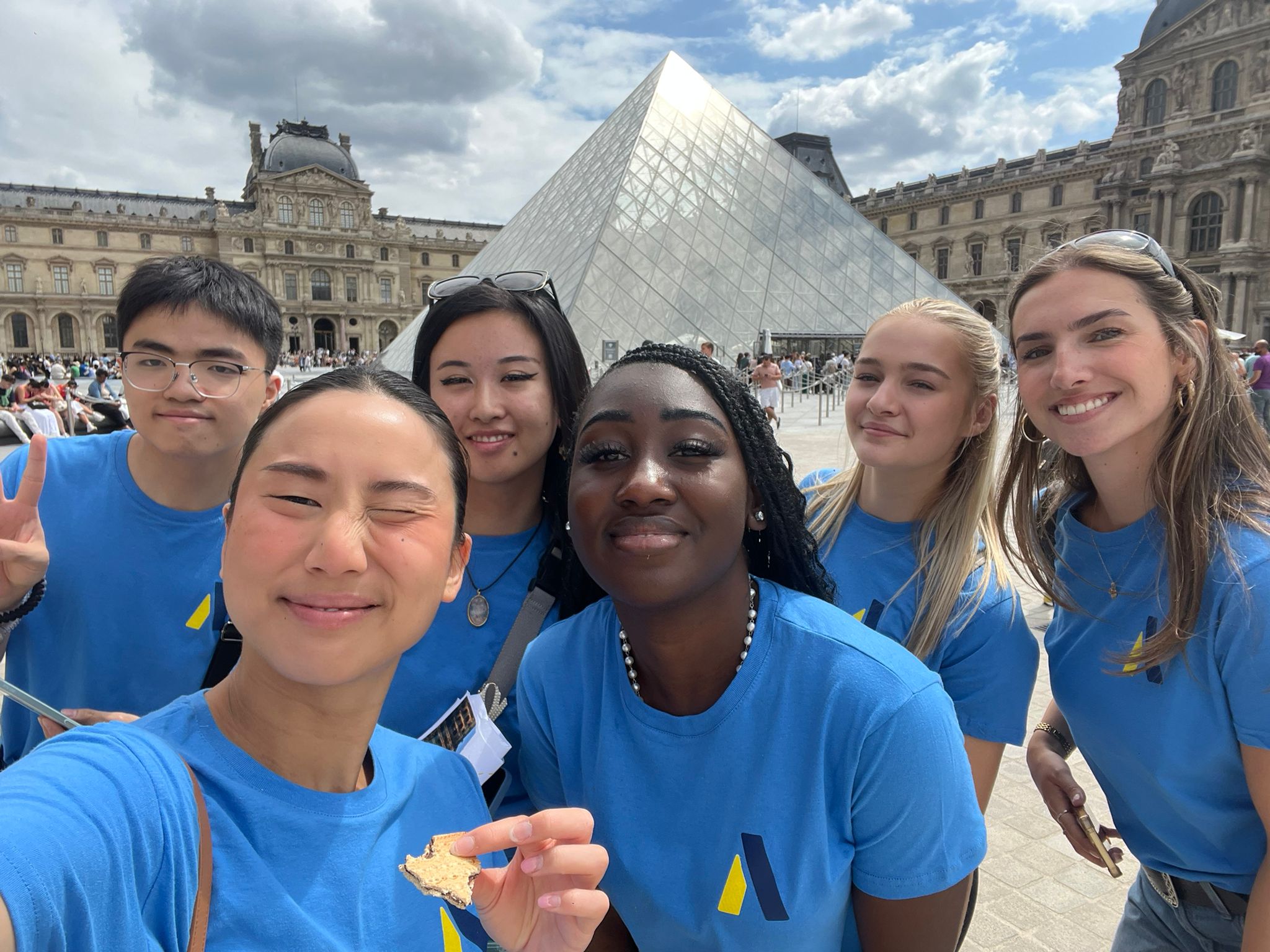
Imagine being a student spending a summer internship in Paris, France. You walk down cobblestoned streets on your way to work, heading toward an office inside a beautiful historic building with detailed stone walls and tall windows. During your break, you sit at a small terrace café lined with flowers and order a coffee with a fresh croissant. On your walk home, you pass the Eiffel Tower and realize that this is not a vacation. This is your life for the next eight weeks.
Paris is one of the most exciting places in the world to complete an international internship. The city is known for its art, history, and culture, but it is also home to strong global industries and innovative companies. From finance to fashion to engineering, Paris offers opportunities that can help students gain real experience while living in one of the most famous cities in the world.
But what does it actually take to make a Paris internship happen?
In this guide, we will break down the skills you need, the costs you should plan for, and how to budget wisely so you can make the most of your time in the stunning capital of France.
The skills you need for a Paris internship
You do not need to be perfect to intern abroad, but certain skills can definitely make your experience smoother and more rewarding.
Language skills
Speaking fluent French is not exactly necessary to intern in Paris, especially in international companies where English is commonly used. However, learning a few basic phrases can make a big difference in daily life. Learning basic phrases can help you navigate stores, transportation, and restaurants. Try these out:
- Bonjour – Hello
- Merci – Thank you
- S’il vous plaît – Please
- Au revoir – Goodbye
- Excusez-moi, parlez-vous anglais? – Excuse me, do you speak English?
Knowing some French also shows respect for the local culture and can help you feel more confident when interacting with people outside of work. Even if you only know the basics, the effort goes a long way.
Adaptability
Living abroad means stepping outside your comfort zone. You may experience different work styles, new foods, unfamiliar schedules, and cultural differences. Being adaptable helps you stay positive when things do not go exactly as planned.
Employers value interns who can handle change and stay calm in new situations. If you can adjust quickly and keep learning, you will gain much more from your internship.
Curiosity
Curiosity is what makes an internship abroad truly meaningful. Students who ask questions, explore the city, and try new experiences often grow the most.
Paris is full of museums, parks, historical sites, and neighborhoods with their own personality. Showing curiosity at work and in your free time helps you build confidence and develop a global mindset.
Organization
Interning abroad requires planning. You will need to manage your schedule, your budget, your commute, and your responsibilities at work. Being organized helps you balance everything without feeling overwhelmed. Keeping track of deadlines, expenses, and travel plans will make your experience much less stressful.
Confidence
You don’t need to know everything before you arrive. Confidence means being willing to try, even when you are unsure. Speaking up in meetings, introducing yourself to coworkers, or exploring the city alone can feel intimidating at first, but these moments help you grow.
Internships are learning experiences. Confidence allows you to take advantage of every opportunity.
Industry-related skills
Depending on your field, you may need certain technical or academic skills. For example, finance interns may need strong analytical skills, while marketing interns may need communication and creativity. Engineering interns may need problem solving and technical knowledge, and healthcare interns may need attention to detail and professionalism.
The good news is that internships are meant to help you develop these skills, not be experts from the start. No one expects interns to know everything right away, but you should be willing to learn, ask questions, and take initiative. Showing effort and curiosity often matters more than having perfect knowledge.
Popular industries for internships in Paris
Paris has a diverse economy with opportunities in many fields. Some of the best industries for internships in Paris include:
Finance
Paris is a major financial center in Europe, with banks, consulting firms, and international companies offering valuable experience.
Fashion
As one of the fashion capitals of the world, Paris is ideal for students interested in design, marketing, retail, or luxury brands.
Information technology
Tech startups and global companies are growing quickly in Paris, making it a great place for students interested in software, data, or digital innovation.
Healthcare
Paris is home to leading hospitals, research centers, and international health organizations. Students in healthcare-related fields can gain experience in research, public health, administration, or nonprofit work.
Hospitality and tourism
With millions of visitors each year, Paris offers opportunities in hotels, travel companies, and event management.
No matter your major, there is likely an internship in Paris that matches your interests.
The budget for a Paris internship
The cost of living in Paris for interns is known to be quite expensive, but planning ahead can significantly lessen the stress. First, let’s look at the main costs you have to consider.
Housing
It can cost quite a bit to live in Paris as an intern, and housing is usually the biggest expense. Prices vary a lot depending on the neighborhood, the type of accommodation, and whether you live alone or share with others.
Here’s a list of average prices in 2026 for your reference:
Central areas like the 1st to 4th arrondissements and Le Marais are the most expensive, with small apartments often costing around €1,800 to €2,500 per month.
Popular but slightly more affordable areas like the 10th and 11th arrondissements can cost around €1,400 to €1,900 per month.
More residential neighborhoods, such as the 15th to 17th arrondissements, may range from €1,200 to €1,700.
Outer districts like the 19th and 20th are usually cheaper, around €1,100 to €1,500.
For international interns in Paris, shared apartments and student residences are often the most realistic option. A small studio alone can still cost around €900 per month on average, not including utilities.
Transportation
Paris has one of the best public transportation systems in Europe, so most interns use the metro, buses, trams, or regional trains instead of driving. In 2026, a single metro or train ride costs about €2.55, while bus or tram tickets cost around €2.05.
Here’s a quick guide to when students usually use each type of transport:
- Metro – fastest way to travel inside the city, best for commuting to your internship
- Bus – slower but useful for short distances and areas without metro stations
- Trains – good for traveling to suburbs, airports, or nearby cities
- Walking – very common in Paris, especially if you live near your workplace
Many interns try to live close to their internship so they can walk or take only one metro line, which saves both time and money.
Bonus tip: If you travel often, a monthly Navigo pass is usually the cheapest option and costs about €90 per month for unlimited rides across the Paris region.
Meals
Food costs in Paris depend a lot on your habits. Eating out every day can be expensive, but mixing groceries with occasional restaurant meals keeps things manageable.
A meal at an inexpensive restaurant usually costs around €15, while a mid-range restaurant can cost €30 to €40 per person. A fast-food meal is about €12, and a regular coffee in a café is usually around €4 to €5.
Groceries are much cheaper than eating out. Many students spend about €250 to €400 per month on food if they cook some meals at home and buy from supermarkets or bakeries.
Experiences and travel
One of the best parts of interning in Paris is exploring the city and traveling around Europe. Museum tickets, concerts, weekend trips, and special activities can add up quickly, so it is important to plan for them in your budget.
Many museums cost around €15 to €20, but students can sometimes get discounts or free entry on certain days. Walking tours, parks, markets, and cultural events are great ways to enjoy the city without spending much.
Gifts and personal expenses
It’s easy to forget about small expenses when planning your budget. Souvenirs, clothes, skincare, gifts for family, and everyday items can add up over time. Even if these purchases seem small, setting aside extra money for personal spending helps you avoid stress later. Adding a little extra padding to your budget is always a good idea, especially in a city like Paris, where unexpected costs are common.
That said, there are several ways students can budget for Paris internships. Let’s dive into some of them.
How students can budget effectively for a Paris internship
Even though Paris can be expensive, international students successfully intern there every year by planning their finances carefully. Budgeting does not mean you have to miss out on the experience. It simply means knowing where your money goes so you can enjoy your time abroad without constant stress.
Here are some practical ways to manage your budget during a Paris internship:
Do your research
Before you go, look up prices for transportation, food, attractions, and daily expenses. Make a list of everything you might need to pay for, including visa fees, flights, and insurance. The more detailed your plan is, the easier it will be to stay on track.
Look for free activities
Paris actually offers many free or low-costlow cost experiences. You can visit parks, walk along the Seine, explore neighborhoods, or attend free museum days. Art galleries, public events, and local markets are great ways to experience the city without spending much money, too.
Set priorities
Decide what matters most to you. Maybe you want to travel on weekends, or maybe you want to try famous restaurants, or you might prefer cultural activities instead. Make a list of your priorities and set a budget for each one. This helps you spend with intention instead of impulse.
Make compromises
You cannot do everything, and that’s okay. Sometimes choosing one experience means skipping another. You might decide to save money on coffee so you can travel to another city. You might skip a fancy dinner so you can visit more museums. Staying aligned with your priorities and making small compromises helps you stay within your budget.
Add extra padding
When traveling, unexpected expenses happen. You may need to pay for something you did not plan for, or prices may be higher than anticipated. Add extra money to your budget so you feel prepared. Having a safety cushion makes your experience much less stressful.
Planning your budget may seem overwhelming at first, but once you know what to expect, it becomes much easier to stay in control of your spending. With the right preparation, living in Paris as an intern is not only possible, but also incredibly rewarding.
Make your Paris internship happen!
Internships in Paris for international students may feel like a dream, but with the right planning, it can become a reality. With the right skills, a clear budget, and a willingness to try new things, you can gain career experience while living in one of the most beautiful cities in the world.
If you are ready to take the next step, Absolute Internship can help you make it happen. Our Paris programs include a guaranteed internship in your industry of choice, from finance to engineering and more. You will also receive high-end student housing, 24/7 onsite support, career workshops, cultural activities, day trips, and everything you need to feel confident living abroad.
Apply with Absolute Internship today and start planning your Paris internship experience.


No Comments