
13 May Hospitality & Tourism Internships: The Skills That Hotels and Airlines Actually Want
Table of Contents
Hospitality and tourism internships offer a fantastic way for students to gain hands-on experience in areas like hotel management, customer service, and event planning. They give you a front-row seat to how the industry runs day to day while helping you build confidence in real-world settings. You’ll also work with diverse guests and teams, strengthening your communication and problem-solving skills.
If you’re considering one but aren’t sure which skills will help you stand out, you’re in the right place. Employers look for a mix of practical knowledge and strong people skills, especially in fast-paced environments like hotels and airlines. In this guide, we’ll break down the key skills that hospitality and tourism recruiters are looking for so you can feel prepared when applying.
Do you need skills before your internship?
To a certain extent, yes. But you don’t need to be an expert!
Internships are designed to be learning experiences. Employers know you’re still a student. They don’t expect you to come in with perfect skills or years of experience, but what they do look for is a strong foundation.
If you can show that you communicate well, work well with others, and are open to learning, you’re already in a good position. It’s also worth remembering that internships can be competitive. Having some of these skills, even at a basic level, can help you stand out from other applicants.
And no, hotels and airlines typically won’t require prior work experience for interns. That’s exactly what internships are for: gaining experience, building confidence, and learning how the industry works in real life.
Technical skills vs. soft skills
Technical skills are the ones you usually learn in school. Think systems, procedures, and the “how-to” side of things. Soft skills, on the other hand, are how you work with people, handle situations, and adapt to challenges. Both of these matter, though, and are transferable no matter where you go, whether it’s a luxury hotel, an airline, a cruise ship, or even event management.
Let’s break down both, so you know exactly what to focus on.
5 technical skills that are useful in Hospitality and Tourism
You don’t really need to master all of these before your internship, but having a basic understanding will give you a strong advantage when applying. This increases your chances of securing greater and more in-demand opportunities.
Computer literacy
At the very least, you should be comfortable using basic tools like Microsoft Office or Google Workspace. You might be asked to manage spreadsheets, write reports, or organize schedules.
Beyond that, many hotels and airlines use specific systems like Property Management Systems (PMS) or reservation platforms. As an intern, you’re not expected to know all of them already, but being tech-comfortable helps you learn faster once you’re on the job.
Reservation and booking systems
In hospitality and tourism, bookings are everything. Whether it’s hotel rooms, flights, or tours, you’ll likely encounter systems that manage reservations.
Even if you haven’t used a real system yet, understanding how bookings work, including availability, confirmations, and cancellations, will make training much easier.
Customer service procedures
This includes things like check-in and check-out processes, handling guest requests, and understanding service standards.
You may have learned this in class or through roleplays, but seeing how it works in real life is a different experience. Having that foundation helps you feel less overwhelmed on your first day, though!
Basic sales and upselling skills
Yes, even interns sometimes help with upselling. In hotels, this might mean suggesting room upgrades or add-ons. In airlines, it could be promoting extra baggage or seat options. It’s not really about being pushy, but about understanding guests’ needs and offering solutions that genuinely improve their experience.
Industry knowledge
This is your general awareness of how the hospitality and tourism industry works. Knowing peak seasons, popular destinations, or basic travel trends shows initiative. It also helps you understand why things are done a certain way, especially during busy periods.
5 soft skills that actually matter in Hospitality and Tourism
While technical skills help you excel at your internships (and eventually, at work), soft skills are what really set you apart. You can learn systems quickly, but how you treat people and handle situations is what leaves a lasting impression in the world of hospitality and tourism.
Communication
Communication skills are at the heart of hospitality and tourism. You’ll be talking to guests, coworkers, and supervisors every day. Being clear, polite, and professional makes a huge difference. Sure, it’s about speaking well, but it’s also about listening carefully and understanding what people actually need.
Cultural awareness
This industry allows you to meet people from all over the world, and you need to be culturally aware if you wish to succeed. Cultural awareness means respecting different customs, traditions, and communication styles. Something as simple as tone of voice, gestures, or eye contact can mean different things in different cultures.
Adaptability
No two days in hospitality are the same. Flights get delayed. Guests change their plans. Unexpected problems come up all the time. Being adaptable means you can stay calm, adjust quickly, and still deliver good service. Employers really value interns who can handle change without panicking.
Problem-solving
Things will go wrong at some point. That’s totally normal. What matters is how you respond. Can you think on your feet? Can you find a solution that keeps the guest satisfied? You don’t have to solve everything on your own, of course, but showing initiative goes a long way.
Teamwork
Hospitality is never a one-person job. You’ll be working with front office staff, housekeeping, kitchen teams, or airline crew. Being able to collaborate, support others, and communicate within a team is essential. A smooth guest experience often depends on how well the team works together behind the scenes.
How you actually build skills during an internship
Skill-building happens during a hospitality and tourism internship not just through training sessions but from real, day-to-day experience. One of the biggest advantages of internships is exposure. You learn communication by talking to actual guests. You develop problem-solving skills when something doesn’t go as planned. You build teamwork by working alongside different departments.
When you’re placed in a new environment, you’re constantly learning. You’re observing how professionals handle situations, picking up best practices, and gradually becoming more confident in your own abilities.
Building cultural awareness for your hospitality career
Cultural awareness is one of the hardest skills to develop in a classroom alone. You can read about different cultures, but it’s very different when you experience them firsthand. And this is where international hospitality internships come in.
By living and working in another country, you get daily exposure to different ways of communicating, working, and interacting. You start to understand cultural nuances naturally and not just theoretically. For example, you might notice differences in customer expectations, service styles, or workplace dynamics during a hospitality internship abroad. Over time, you become more flexible and open-minded.
That kind of experience is incredibly valuable in the industry, where you’ll be dealing with diverse guests all the time.
Where to find hospitality and tourism internships abroad
If you’re interested in going international, there are a few common places to start your search.
Your university career center
Many universities have partnerships with companies or internship providers. This is often the easiest and most reliable place to begin. They can guide you through the application process and help match you with opportunities that fit your course.
Job sites
Websites like LinkedIn, job boards, and internship platforms regularly post opportunities in hospitality and tourism. The key is to stay consistent with your search and apply early, especially for competitive destinations.
Structured internship programs
Some organizations specialize in placing students in international internships. These programs usually handle the logistics, making the process much smoother. They also often already include housing, support, and additional activities, which can make a big difference if you’re going abroad for the first time.
Take the next step!
If you want to level up your hospitality professional development, build your skills, and gain real-world experience through an international internship.
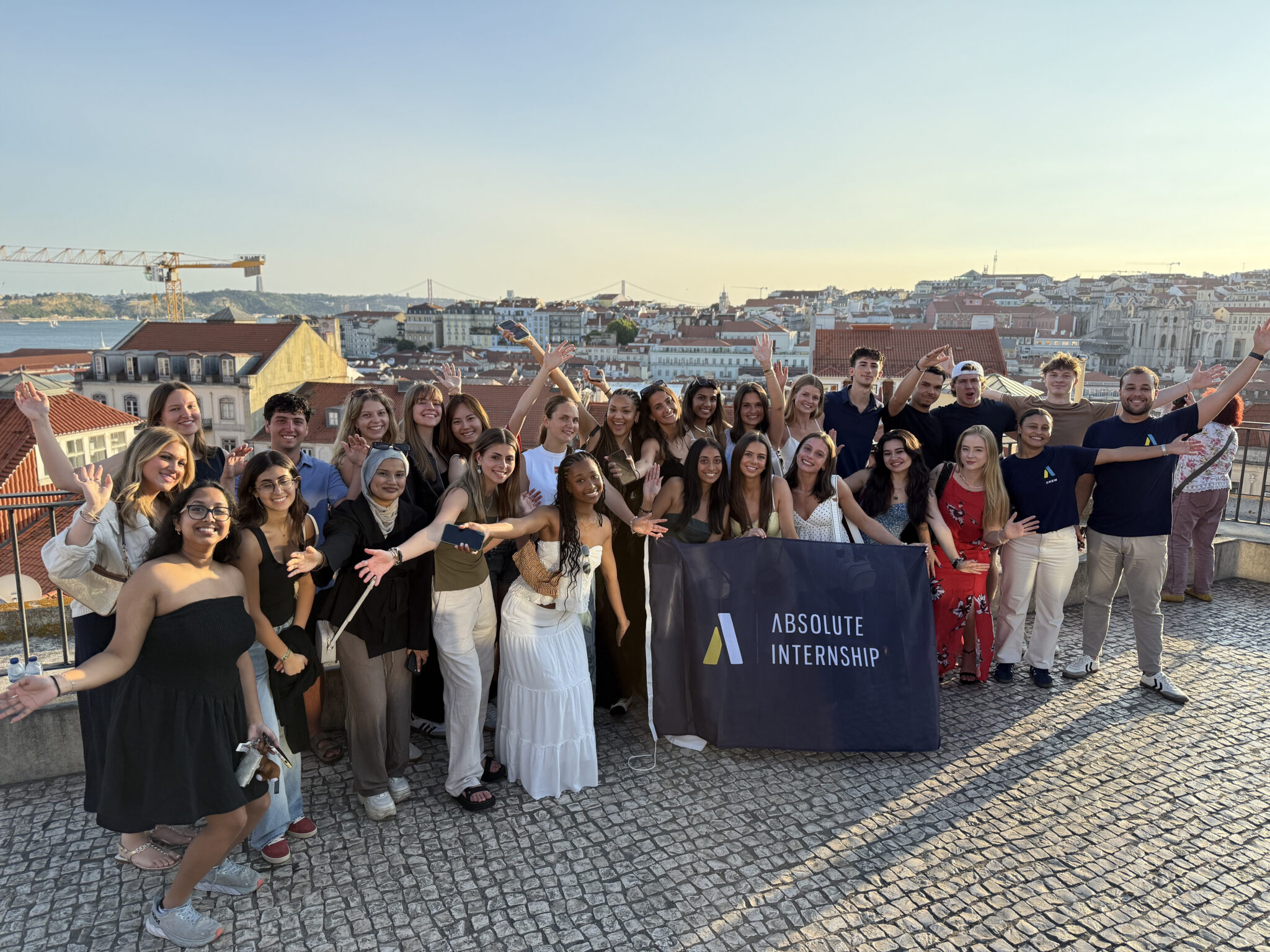
Programs like Absolute Internship offer opportunities in cities around the world, from Lisbon and Barcelona to Bangkok and Tokyo. Beyond the internship itself, we provide support like housing, orientation, and career workshops. You also get access to cultural activities and trips, which help you build cultural awareness in a more immersive way.
Apply with us today!

No Comments